- Find Us Now!
- info@indianlawcompany.com
- Mon-Sat 10:00AM - 6:00PM
-
Location
25/42, A Block, Middle Circle
Connaught Place,
New Delhi - 110001 - Email Us info@indianlawcompany.com
- Call Us Today +91-011-44127897
The Supreme Court’s Verdict: Resolving Stamp Duty Disputes and analyzing the enforcement
The Supreme Court’s Verdict: Resolving Stamp Duty Disputes and analyzing the enforcement
Introduction
In the ever-evolving landscape of legal intricacies, the Supreme Court’s recent ruling on the enforceability of unstamped arbitration agreements has sparked considerable interest and debate. This article aims to dissect the nuances of the verdict, providing an in-depth analysis of the resolution of stamp duty disputes in the context of arbitration agreements.
Unraveling the Legal Framework
Stamp Duty Overview
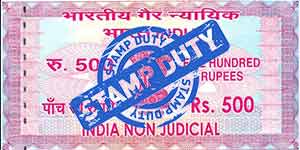
To grasp the crux of the matter, it is crucial to establish a foundational understanding of stamp duty and its implications in legal agreements. This section delves into the basic tenets of stamp duty, emphasizing its significance in the realm of arbitration.
Evolution of Arbitration Laws
Tracing the historical trajectory of arbitration laws in India sets the stage for comprehending the complexities addressed in the Supreme Court’s ruling. A chronological overview, coupled with key legislative amendments, sheds light on the evolutionary path of arbitration in the country.
The Supreme Court’s Pronouncement
Case Background
A thorough examination of the case that led to the Supreme Court’s pronouncement provides essential context. This includes a detailed analysis of the parties involved, the nature of the dispute, and the specific legal questions that the court was tasked with addressing.
Key Findings
The article explores the pivotal findings of the Supreme Court, dissecting each aspect of the ruling related to unstamped arbitration agreements. This includes the court’s interpretation of relevant statutes, precedents cited, and the broader legal implications of the judgment.
Implications on Legal Landscape
Precedent-setting Nature
Analyzing the potential impact of the Supreme Court’s verdict on future cases and legal precedents forms a crucial part of this section. Insights into how this ruling may shape the approach to unstamped arbitration agreements in Indian jurisprudence are explored.
Practical Implications
Beyond the legal doctrine, this section elucidates the practical ramifications of the judgment on legal practitioners, businesses, and individuals involved in arbitration agreements. It discusses compliance measures and strategic considerations in light of the new legal landscape.

Critiques and Counterarguments
To provide a balanced perspective, the article acknowledges and scrutinizes critiques and counterarguments to the Supreme Court’s ruling. This section aims to foster a comprehensive understanding of the various viewpoints surrounding the enforceability of unstamped arbitration agreements.
Future Outlook
Anticipating the trajectory of stamp duty disputes in arbitration agreements post this landmark ruling, the article discusses potential legislative changes, judicial interpretations, and emerging trends that may shape the future landscape.
Conclusion
In conclusion, this article serves as a meticulous exploration of the Supreme Court’s ruling on the resolution of stamp duty disputes and the enforceability of unstamped arbitration agreements. By dissecting the case, examining legal nuances, and providing practical insights, it offers a valuable resource for legal professionals, scholars, and individuals navigating the intricate terrain of arbitration law in India.
The Supreme Court’s role in India is fundamental to the country’s legal system, acting as the highest authority for interpreting the Constitution and delivering justice. As the apex judicial body, it ensures that laws and government actions remain within the framework of constitutional principles. The Supreme Court’s decisions are binding on all lower courts, making it a powerful institution that maintains uniformity and consistency in the application of law across the nation.
One of the most important functions of the Supreme Court’s authority is judicial review. This power allows the court to examine laws passed by the legislature and actions taken by the executive to ensure they do not violate constitutional provisions. If any law is found to be unconstitutional, the court has the authority to strike it down. This function plays a vital role in protecting democratic values and preventing misuse of power by the government.
About Us The Supreme Court’s contribution to safeguarding fundamental rights is equally significant. Citizens can directly approach the court if they believe their rights have been violated. Through writ jurisdiction, the court provides remedies such as habeas corpus, mandamus, prohibition, quo warranto, and certiorari. These legal tools help ensure that individuals are protected against injustice and unlawful actions. Over the years, the Supreme Court’s judgments have expanded the scope of rights, including the recognition of the right to privacy as a fundamental right.
Another key aspect of the Supreme Court’s role is its appellate jurisdiction. It hears appeals from lower courts in civil, criminal, and constitutional matters. This ensures that justice is not denied due to errors or misinterpretations at lower levels. The court also has advisory jurisdiction, where the President of India can seek its opinion on important legal or constitutional questions.
Public Interest Litigation (PIL) is another area where the Supreme Court’s influence is clearly visible. Through PIL, even individuals or groups who are not directly affected can approach the court on behalf of those who cannot represent themselves. This has made justice more accessible, especially for marginalized sections of society.
In conclusion, the Supreme Court’s position in India is crucial for maintaining the rule of law and protecting citizens’ rights. Its wide powers, including judicial review, appellate authority, and writ jurisdiction, ensure that justice is delivered fairly and effectively. By continuously interpreting and evolving legal principles, the Supreme Court’s role remains essential in strengthening democracy and ensuring accountability in governance.