- Find Us Now!
- info@indianlawcompany.com
- Mon-Sat 10:00AM - 6:00PM

-
Location
25/42, A Block, Middle Circle
Connaught Place,
New Delhi - 110001 - Email Us info@indianlawcompany.com
- Call Us Today +91-011-44127897
THE BROADCASTING SERVICES (REGULATION) BILL, 2023: Navigating the Future of India’s Broadcasting
THE BROADCASTING SERVICES (REGULATION) BILL, 2023: Navigating the Future of India’s Broadcasting
On November 10, 2023, the Ministry of Information and Broadcasting (MIB) unveiled the preliminary draft of the Broadcasting Services (Regulation) Bill, 2023. This proposed legislation is poised to redefine the regulatory landscape governing the broadcasting industry in India, signaling a departure from the lengthy Cable Television Networks (Regulation) Act, 1995. The Bill ambitiously aims to amalgamate existing regulatory standards with a comprehensive framework, embracing the dynamic nature of the broadcasting sector, including the emergence of Over-The-Top (OTT) platforms.
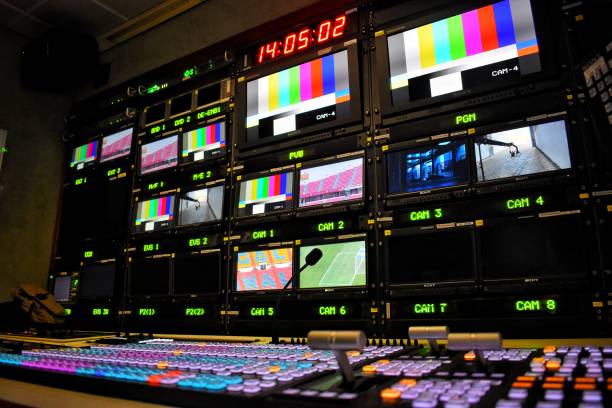
BROADCASTING SERVICES
Key Features of the Bill:
1. Content Regulating Committee (CEC):
- The Bill introduces a self-regulatory mechanism, CEC, in Section 24(2).
- CEC comprises eminent individuals representing diverse social groups, ensuring inclusivity.
- Empowers the Central Government to prescribe details, such as the number of members and quorum.
- CEC facilitates self-certification by broadcasters, aiming for a streamlined content evaluation process.
Concerns: Some stakeholders express concerns about CEC resembling a censor board, raising questions about applying traditional television regulations to OTT platforms.
2. Power to Inspect and Penalize under Chapter V:
- Chapter V grants the Central Government inspection rights for broadcasting networks.
- Authorities can impose penalties ranging from advisories to imprisonment, with fines linked to financial capacity.
Concerns: Tying penalties to financial capacity may raise equity concerns, lacking a clear review mechanism or proportionality principle.
3. The Broadcast Advisory Council (BAC):
- Sections 27 and 28 establish BAC, comprising a Chairperson with media experience, ex-officio members, and government-nominated independent members.
- BAC addresses complaints on Program Code or Advertisement Code violations, making recommendations to the Central Government.
Concerns: Composition of BAC, with government officials and nominated members, raises concerns about regulatory capture and compromises its independence.
4. Accessibility to Individuals with Disabilities:
- Section 23 focuses on promoting accessibility for persons with disabilities in broadcasting services.
- Empowers the MIB to enforce guidelines for operators to enhance accessibility through subtitles, audio descriptions, and sign language.
Concerns: None identified, as this provision aligns with the broader goal of inclusivity and diversity in broadcasting services.

Concerning Gray Areas:
1. Self-Certification by CEC:
- While CEC streamlines the certification process, concerns arise about potential impacts on creative freedom for TV broadcasters and OTT players.
2. Coexistence with Other Laws:
- Even if enacted, the Bill coexists with other regulations like the Information Technology (Intermediary Guidelines and Digital Media Ethics Code) Rules, 2021, creating potential complexities for online content platforms.
3. Regulation of OTT Platforms:
- The controversy surrounds the inclusion of OTT platforms and plans to regulate them similarly to traditional broadcasting services, raising questions about uniform regulations for user-selected and pushed content.
In conclusion, the Broadcasting Services (Regulation) Bill, 2023, represents a significant shift in India’s broadcasting regulatory landscape. While introducing commendable provisions for self-regulation, accessibility, and content evaluation, it also sparks debates around creative freedom, coexistence with other laws, and the unique challenges posed by regulating OTT platforms. As the nation evolves, careful examination and thoughtful adjustments will be crucial to strike the right balance in this dynamic and diverse sector.
Broadcasting services refer to the transmission of audio and visual content to a wide audience through various communication channels. About Us These services play a crucial role in delivering information, entertainment, education, and news to the public. In India, broadcasting services have evolved significantly from traditional radio and television to modern digital platforms, including satellite broadcasting, cable networks, and internet-based streaming services.
The foundation of broadcasting services lies in radio and television transmission. Radio broadcasting was one of the earliest forms, enabling mass communication across regions. Television later expanded this reach by combining audio with visual content, making it more engaging for viewers. Over time, advancements in technology introduced satellite and cable broadcasting, allowing for a greater number of channels and improved content quality. Today, digital broadcasting and OTT platforms have further transformed how audiences consume media.
In India, broadcasting services are regulated by authorities such as the Ministry of Information and Broadcasting and the Telecom Regulatory Authority of India (TRAI). These bodies ensure that content is transmitted in accordance with legal and ethical standards. Licensing, content guidelines, and compliance requirements are essential aspects of the regulatory framework. Broadcasters must follow rules related to advertising, public interest content, and national security, making regulation a key component of the industry.
Another important aspect of broadcasting services is content creation and distribution. Media companies invest heavily in producing high-quality programs, including news, films, sports, and educational content. The distribution of this content depends on various platforms such as terrestrial, satellite, cable, and internet-based systems. With the rise of digital technology, streaming services have gained popularity, offering on-demand access to content anytime and anywhere.
Broadcasting services also contribute significantly to the economy by generating employment and supporting industries like advertising, production, and technology. They serve as a powerful tool for communication, influencing public opinion and spreading awareness on important issues. However, the industry also faces challenges such as piracy, content regulation, and competition from global digital platforms.
In conclusion, broadcasting services are an essential part of modern communication, connecting people through information and entertainment. With continuous technological advancements, the sector is expanding rapidly, offering more diverse and accessible content. Strong regulatory frameworks and innovation will continue to shape the future of broadcasting services in India, ensuring that they remain relevant and effective in a digital age.